As an Amazon Associate I earn from qualifying purchases.
5 Mistakes When Buying a Premium Infrared Sauna
5 Mistakes When Buying a Premium Infrared Sauna What are the top mistakes when buying an infrared sauna? The five most common mistakes are ignoring electroma...
Review
5 Mistakes When Buying a Premium Infrared Sauna
5 Mistakes When Buying a Premium Infrared Sauna What are the top mistakes when buying an infrared sauna? The five most common mistakes are ignoring electroma...
Fast answer
Most buyers fail not because they cannot afford a premium sauna, but because they prioritize aesthetics over engineering specs—specifically ignoring EMF safety, heater longevity, and electrical infrastructure—leading to dangerous or ineffective setups. This guide exposes the five non negotiable mistakes that compromise
- A decision framework that prioritizes engineering specs (EMF, heater type) over marketing claims, providing a clear path for biohackers to avoid unsafe or ineffective products. Includes a specific cost-benefit analysis and a detailed comparison of carbon vs. ceramic heaters.
- Infrared saunas operate at 110-140°F with 10-15 minute heat-up. Source: https://homeindepth.com/infrared-vs-steam-sauna/
- Steam saunas operate at 176-212°F with controllable humidity. Source: https://homeindepth.com/infrared-vs-steam-sauna/
- Infrared saunas are better for chronic pain relief, daily home use, heat-sensitive individuals, energy efficiency, and targeted muscle recovery. Source: https://homeindepth.com/infrared-vs-steam-sauna/
- Steam saunas are better for respiratory health, cardiovascular conditioning, social/family sessions, authentic experience, and intense heat. Source: https://homeindepth.com/infrared-vs-steam-sauna/
Our top picks
5 Mistakes When Buying a Premium Infrared Sauna
What are the top mistakes when buying an infrared sauna?
The five most common mistakes are ignoring electromagnetic field (EMF) levels, choosing ceramic heaters over carbon for deep tissue penetration, underestimating electrical requirements, confusing infrared with steam for specific health goals, and prioritizing low upfront price over long-term durability. Avoiding these errors requires verifying safety certifications, understanding heater technology, and aligning product specifications with your actual biohacking objectives.
How do I verify EMF safety in a sauna?
Electromagnetic fields (EMFs) are invisible energy fields produced by electrical devices, and in saunas, they originate from wiring and heating elements. Many budget models lack proper shielding, exposing users to higher radiation levels during sessions. For biohackers seeking clean data and safety, you must demand third-party testing showing EMF levels below 5 milligauss (mG) at six feet. Look for certifications like UL or ETL, which indicate that the unit has passed rigorous safety standards for electrical integrity and shielding.
"Premium does not automatically mean safe; always verify EMF levels before purchasing."
What is the difference between carbon and ceramic heaters?
Carbon heaters emit full-spectrum infrared light, including near, mid, and far infrared, which penetrates deeper into muscle tissue for effective recovery. Ceramic heaters typically only emit near-infrared, which heats the surface of the skin and can create uncomfortable hot spots. Carbon panels also offer more consistent heat distribution and a longer lifespan, making them superior for chronic pain relief and daily home use. When evaluating a sauna, ensure it uses carbon panels rather than ceramic rods if your goal is targeted muscle recovery.
What are the ideal space and electrical requirements for installation?
Infrared saunas operate at lower temperatures, typically between 110°F and 140°F, with heat-up times of just 10 to 15 minutes, compared to steam saunas that require 176°F to 212°F [Source: https://homeindepth.com/infrared-vs-steam-sauna/]. However, this efficiency does not eliminate the need for proper spatial planning. You must account for floor weight capacity, ventilation gaps for heat dissipation, and electrical outlet requirements. Most full-size units require a standard 110V outlet, while larger models may need a dedicated 220V line. Never use extension cords, as they pose a fire hazard and can damage the heating elements.
How does infrared sauna temperature compare to steam for recovery?
Infrared saunas are better suited for chronic pain relief, daily home use, and energy efficiency because they warm the body directly without heating the air intensely [Source: https://homeindepth.com/infrared-vs-steam-sauna/]. Steam saunas, which operate at higher temperatures with controllable humidity, are better for respiratory health and cardiovascular conditioning [Source: https://homeindepth.com/infrared-vs-steam-sauna/]. If your primary goal is post-workout muscle recovery or managing heat sensitivity, infrared is the correct choice. Confusing the two often leads to dissatisfaction, as steam saunas provide a social, intense experience that differs significantly from the targeted therapeutic benefits of infrared.
Why should I prioritize warranty and longevity over initial price?
A $2,000 sauna built with hemlock wood and carbon heaters will likely last ten years, whereas an $800 model made with pine and ceramic components may fail within three. The total cost of ownership favors premium materials due to reduced maintenance costs and fewer replacements. Check warranty coverage carefully; reputable brands offer lifetime warranties on heaters and multi-year coverage on electronics. Investing in quality upfront prevents the recurring expense of repairing or replacing a subpar unit.
Which premium sauna solves all these mistakes?
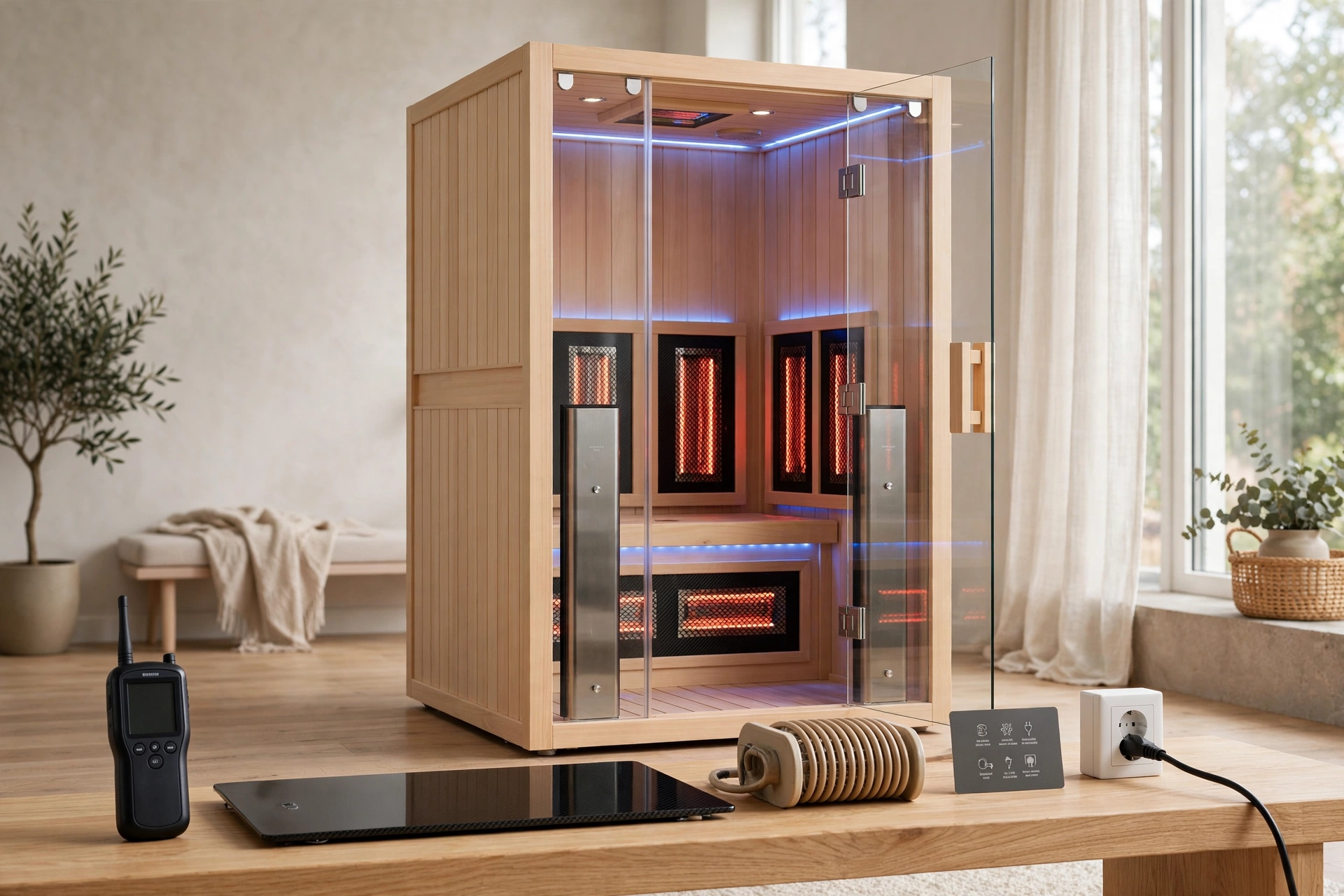
The Clearlight Sanctuary II is a premium one-person infrared sauna box featuring full-spectrum carbon heaters, chromotherapy light therapy (660nm/470nm/850nm), and a sleek, space-saving design for effective detoxification and muscle recovery. It addresses every critical mistake: it maintains ultra-low EMF levels, uses durable carbon panels for deep tissue penetration, fits easily into small apartments, and includes a robust warranty. The integrated chromotherapy adds additional benefits, such as red light therapy for skin health and blue light for calming effects. This unit is ideal for serious biohackers who want spa-level recovery without compromising safety or performance.
"The Clearlight Sanctuary II represents the gold standard for compact, high-performance infrared therapy."
Recommended Resources
Can I use an infrared sauna every day?
How long should a session last?
What is the warranty on premium saunas?
Do infrared saunas help with muscle recovery?
What is the maintenance cost of an infrared sauna?
How much space do I need for a full-size sauna?
Recommended Resources

Lead researcher and home comfort specialist at House By Saay. Specializes in ergonomic design, sleep technology, and consumer product durability analysis.
Sources
- https://homeindepth.com/infrared-vs-steam-sauna/
- https://homeindepth.com/are-portable-saunas-worth-it/
- https://oasisbiosistema.com/en/blog/are-portable-saunas-worth-it/
- https://homeindepth.com/infrared-vs-steam-sauna/
- https://homeindepth.com/are-portable-saunas-worth-it/
- https://oasisbiosistema.com/en/blog/are-portable-saunas-worth-it/
Comments
Join the conversation
Leave a simple comment about 5 Mistakes When Buying a Premium Infrared Sauna.
No comments yet. Be the first to comment.